Beddington Park removals: best van access and parking tips
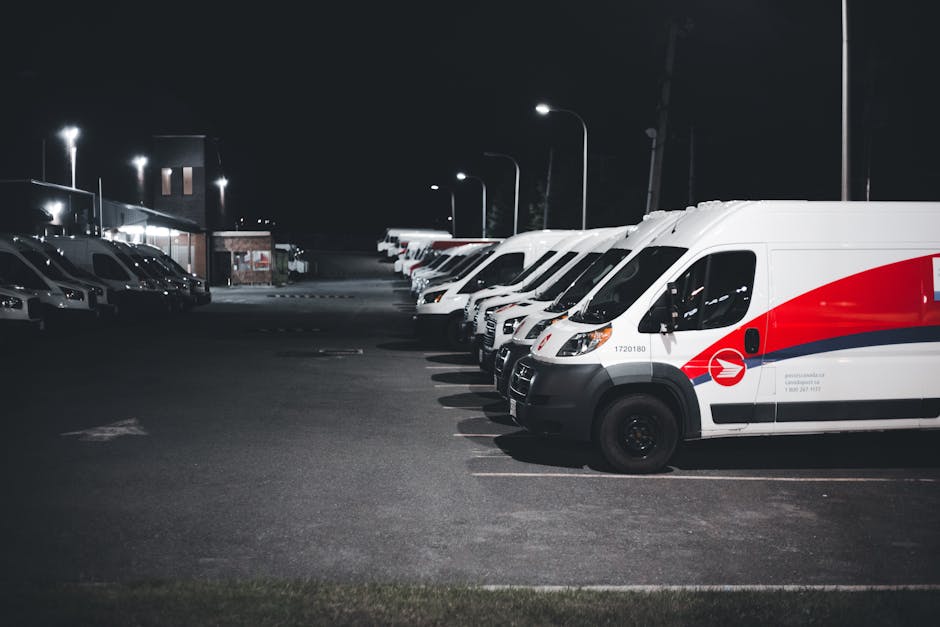
Moving near Beddington Park can be straightforward if you plan the van access and parking properly. It can also become awkward very quickly if the vehicle arrives at the wrong entrance, the load bay is blocked, or the walk from van to front door is longer than expected. That is why Beddington Park removals: best van access and parking tips matter more than most people realise.
This guide is designed for anyone moving home, flat, office, or furniture in and around the park area. You will find practical advice on approach routes, stopping places, timing, safety, and the small decisions that keep moving day calm. If you are comparing removal options, it also helps to understand how a local man with a van in Beddington can make access planning easier than trying to improvise on the day.
Truth be told, the best removals are often the least dramatic ones. The van parks well, the route is clear, and nobody is carrying a wardrobe across half the street because someone assumed the kerb space would stay free. That kind of planning is what this article is about.
Table of Contents
- Why Beddington Park removals: best van access and parking tips Matters
- How Beddington Park removals: best van access and parking tips Works
- Key Benefits and Practical Advantages
- Who This Is For and When It Makes Sense
- Step-by-Step Guidance
- Expert Tips for Better Results
- Common Mistakes to Avoid
- Tools, Resources and Recommendations
- Law, Compliance, Standards, or Best Practice
- Options, Methods, or Comparison Table
- Case Study or Real-World Example
- Practical Checklist
- Conclusion
- Frequently Asked Questions
Why Beddington Park removals: best van access and parking tips Matters
Access and parking are not minor details. They shape the whole move. A well-positioned van reduces carrying distance, limits damage risk, saves time, and makes it easier for the team to work safely. On a local move, that can be the difference between one efficient trip and a stressful shuffle of boxes, mattresses, and awkward furniture through narrow gaps or along a busy roadside.
Near green spaces and residential streets, parking is often the first challenge. You may have shared roads, limited curb space, tighter turning room, and pedestrians who are also using the area. If your van arrives without a plan, the crew may spend the first 15 minutes just finding a sensible place to stop. That is time you do not get back.
For homes with stairs, flats with communal entrances, or properties with little frontage, the access plan matters even more. A short route from the van to the door helps with heavy items such as sofas, beds, white goods, and wardrobes. It also reduces the chance of bumping walls, catching corners, or tiring the team before the major lifting even begins.
If you are moving furniture or bulky items, it is worth reading these practical furniture removals insights as well as advice on lifting heavy objects safely. Good access planning and good handling habits work hand in hand.
How Beddington Park removals: best van access and parking tips Works
The process is simple in principle: identify the most suitable approach route, choose a legal and practical stop point, and organise loading so the van is used efficiently. In practice, it helps to think through the move from street level first, not from the front room outward.
1. Start with the street layout
Look at where the van can actually get to. Is there room to pull in near the property, or will the vehicle need to wait on a wider section of road? Can it turn safely without several attempts? Does the entrance sit on a bend, near a junction, or opposite parked cars? These details matter because they affect both speed and safety.
2. Match the van size to the access
A larger van may be efficient for volume, but only if it can safely access the property. In tighter areas, a slightly smaller vehicle may be easier to place close to the door and quicker to manoeuvre. The ideal setup is not always the biggest van; it is the one that fits the space and the job.
3. Choose the load point carefully
The best loading point is usually the one that minimises carry distance without obstructing traffic, driveways, or neighbours. A van parked half a house-length away may still be workable, but you will notice the difference by the tenth item. If your move involves awkward furniture, the gap matters even more.
4. Plan the order of loading
Pack the van in a sequence that reflects the access conditions, not just the item sizes. Heavy and sturdy items should go in first, with lighter and more fragile items protected around them. If the route from the property to the van is a long one, the loading order should prioritise things you want out of the way first.
If you want a fuller packing strategy before moving day, this packing guide for a smooth house transition pairs well with decluttering before moving. Fewer items usually means fewer trips, and fewer trips usually means less parking pressure.
Key Benefits and Practical Advantages
Good van access is not just about convenience. It creates a cleaner, safer, and more predictable move. That is especially useful when you are moving from a property with shared access or when the parking situation changes quickly during the day.
- Less carrying distance: Shorter walks reduce fatigue and lower the chance of drops or knocks.
- Faster loading and unloading: The team can work in a smoother rhythm when the van is positioned well.
- Reduced risk of damage: Furniture, doorframes, and walls are easier to protect when the route is controlled.
- Better traffic flow: Careful parking helps avoid obstructing neighbours or creating unnecessary congestion.
- Lower stress: When the access is sorted, everything else feels more manageable.
There is also a financial angle. A move that takes longer because parking is awkward may require more labour time or extra trips. That is why it pays to think about access before the removal team arrives, not after the first box is already on the pavement.
For larger domestic moves, it can help to compare your options against a broader service page such as house removals in Beddington or flat removals in Beddington if you are dealing with stairs, shared entrances, or limited frontage.
Who This Is For and When It Makes Sense
This advice is useful for a wide range of moves, but it is especially relevant if any of the following sound familiar:
- You live on or near a road with restricted parking.
- Your property has a shared drive, tight entrance, or limited frontage.
- You are moving from a flat with stairs or a communal doorway.
- You are handling bulky items such as a sofa, bed, fridge, piano, or wardrobe.
- You need a same-day or tightly timed move and cannot afford delays.
- You are arranging a short-notice local relocation and want the day to run smoothly.
Students, first-time movers, landlords, and families all benefit from the same principle: reduce uncertainty before the van arrives. If you are moving a smaller load, a man and van service in Beddington can often be the most practical fit. If the job is larger or more complex, the same access planning still applies, but with more attention to timing and vehicle placement.
One common scenario is a move where the property itself is easy enough, but the street is the real challenge. In those cases, the quality of the parking plan can matter more than the number of boxes or the total floor area.
Step-by-Step Guidance
Use the following sequence to build a realistic access plan for moving day.
- Check the approach roads early. Look for narrow sections, bends, resident-only zones, school traffic, or anything else that could slow the van down.
- Identify where the van can wait legally. Avoid assuming a space will be free. Nearby side roads, wider bays, or a pre-arranged loading point can save a lot of hassle.
- Measure the route from van to door. Even a rough mental measure helps you decide whether you need trolley wheels, more people, or extra padding for the items.
- Speak to neighbours if needed. A polite heads-up can prevent blocked driveways or awkward misunderstandings. It is a small step, but it can avoid a surprising amount of friction.
- Prepare the first-load items. Put the heavy, essential, and awkward pieces near the exit so the team can start efficiently.
- Protect the access path. Clear loose mats, bins, toys, plants, and anything that could create a trip hazard.
- Keep the entrance free. Do not let boxes pile up in the doorway. The front door should stay usable throughout the loading phase.
- Review the plan just before arrival. A quick final check can catch a blocked bay, a delivery vehicle, or a changed parking situation.
If you are also trying to keep the rest of the home organised, efficient packing tips for the whole house and a stress-free move plan are useful companions to this guide.
Expert Tips for Better Results
Small decisions often make the biggest difference. These are the details that tend to separate a smooth move from a messy one.
Use the shortest safe path, not the shortest possible path
The shortest line is not always the smartest route. A slightly longer but wider, safer route is often worth it if it avoids tight turns, steps, uneven paving, or heavy foot traffic.
Keep a parking fallback ready
Have a second option in mind in case your preferred spot is taken. A good fallback means you are not making rushed decisions with the loading crew standing around.
Stage fragile items away from the curb
Windows, mirrors, lamps, and glass should not be left where they can be knocked by passers-by or exposed to weather while the van is repositioned.
Think in terms of carrying zones
Imagine the move in zones: front room to hallway, hallway to doorway, doorway to van. Each zone should be uncluttered and predictable. That mindset makes it easier to spot weak points before they become problems.
Protect bulky furniture before moving it
If your move includes sofas, mattress sets, or item that can easily scuff, wrap and protect them before they leave the property. For sofa-specific care, see these sofa storage and protection tips. For mattresses, the same careful thinking applies to bed and mattress relocation.
Keep the team fed with information
Tell the movers about low ceilings, steps, loose railings, awkward gates, and any parking concerns before they start lifting. A minute of explanation is cheaper than a damaged wall.
Expert summary: the best van access is not the nearest space on paper; it is the space that lets the move happen safely, legally, and without wasted effort.
Common Mistakes to Avoid
Most parking and access problems are avoidable. The same issues crop up again and again, and they usually come down to assumptions.
- Assuming parking will be available: Even quiet streets can fill quickly.
- Choosing the wrong van size: Too large can make access harder; too small can mean extra trips.
- Blocking driveways or entrances: This causes complaints and can slow the whole move.
- Ignoring the weather: Wet steps, slippery paving, and muddy edges can affect how safely items are carried.
- Leaving packing too late: If the items are not ready, the van sits idle while the clock keeps moving.
- Forgetting about awkward items: Pianos, freezers, and long furniture pieces need more room than a standard box.
One particularly common mistake is treating a move like a delivery. A delivery can sometimes be dropped at the door. A removal often needs repeated carrying, careful placement, and enough room to work for an extended period. That difference matters.
If your move includes specialist items, it may be worth looking at piano removals in Beddington or piano removals support to understand why access planning is especially important.
Tools, Resources and Recommendations
You do not need a large kit to handle van access well, but a few practical tools help a lot.
- Furniture blankets and wraps: Useful for protecting edges and reducing minor knocks.
- Straps and bungees: Help keep items stable during loading and transport.
- Two-wheeled sack truck or trolley: Helpful for heavy boxes, appliances, and awkward loads.
- Gloves with grip: Better handling and fewer accidental slips.
- Door wedges: Keep doors open when you need a clear route.
- Checklist or floor plan: Helps the team know what goes where.
For a more complete moving toolkit, this guide to a hassle-free move is a useful read. If you need packing materials, the local packing and boxes service is a logical next step.
If you want support with disposal or reducing waste during the move, the page on recycling and sustainability may also be useful, particularly when you are clearing out items before relocation.
Law, Compliance, Standards, or Best Practice
This is not a legal deep-dive, but there are sensible UK best practices worth following. The core idea is simple: do not create danger or nuisance while loading a van. That means parking legally, keeping access paths clear, and avoiding obstruction of driveways, footpaths, or emergency access routes.
If you are using the public highway for loading, the safer route is to plan conservatively and avoid making assumptions about stopping permissions. Local restrictions can vary, and parking rules are best checked directly with the relevant authority or signage rather than guessed. If a loading bay, permit area, or controlled parking zone is involved, confirm the requirements before moving day.
From an industry perspective, a professional removal team should work in a way that supports safe manual handling, protects property, and keeps the job organised. If you want to understand how a provider approaches these issues, the pages on insurance and safety and health and safety policy are a sensible place to start.
It also helps to be transparent about access limitations when requesting a quote. That makes pricing fairer and avoids surprises on the day. For more on that stage of the process, see pricing and quotes.
Options, Methods, or Comparison Table
Different moves need different access strategies. The table below compares the most common approaches.
| Access method | Best for | Strengths | Trade-offs |
|---|---|---|---|
| Park close to the entrance | Ground-floor homes, short local moves | Fast loading, shorter carry distance, efficient use of labour | May be hard to secure in busy or narrow streets |
| Use a nearby legal bay | Areas with limited frontage or controlled parking | Often realistic and compliant, can be planned in advance | Longer carry route, may need extra manpower |
| Smaller van with easier manoeuvring | Tight residential roads or awkward turns | Better access, easier positioning, less street disruption | May require more than one trip |
| Pre-booked loading space | Moves requiring certainty and tight timing | Predictable, less stress, better schedule control | Needs advance planning and may involve local rules |
In practice, the right method depends on street width, item volume, timing, and whether you can safely combine parking proximity with access ease. For smaller and quicker jobs, a dedicated removal van can be a neat fit. For broader support, review the full services overview.
Case Study or Real-World Example
Consider a typical local move from a first-floor flat close to Beddington Park. The property has a shared entrance, a modest stairwell, and parking that is often busy in the afternoon. On paper, the job looks simple. In practice, the access plan decides whether the move stays neat or becomes stressful.
In a well-planned version of that move, the customer confirms the likely parking spot the day before, keeps the hallway clear, and stages boxed items near the exit. The van arrives at a pre-identified stopping point, the team unloads the first heavy items quickly, and the rest of the move flows naturally. There are no awkward reversals, no last-minute dash for a new space, and no unnecessary carrying across half the road.
Now compare that with a poorly planned version. The van arrives during peak street activity, the nearest space is blocked, the crew has to wait, and the first load ends up being carried from an unsuitable angle. Nothing disastrous has happened, but the job becomes slower and less comfortable. That is how access issues quietly expand a simple move into a tiring one.
For flats in particular, a local service such as flat removals in Beddington can be a sensible option because the team can plan around stairs, shared entrances, and parking limitations from the start.
Practical Checklist
Use this checklist the day before and the morning of your move.
- Confirm the van size and estimated arrival window.
- Check where the van can stop legally and safely.
- Review any parking signs, bay restrictions, or permit requirements.
- Clear the doorway, hallway, and main path to the van.
- Move bins, bikes, planters, and loose items out of the route.
- Protect floors, corners, and doorframes if needed.
- Prepare fragile items separately.
- Keep keys, documents, and phone chargers accessible.
- Let neighbours know if access could temporarily affect them.
- Have a backup plan in case the planned parking spot is occupied.
If you are still at the planning stage, this is also a good time to review about us and removals in Beddington so you know the type of support available for your move.
Conclusion
The best van access and parking strategy is the one that makes the move calm, legal, and efficient. Around Beddington Park, that usually means thinking ahead about street layout, stopping points, and carrying distance rather than relying on luck. A little preparation can save time, reduce lifting strain, and make the day feel far less chaotic.
Whether you are moving a few boxes, a full family home, or a bulky specialist item, treat access as part of the job, not an afterthought. That one habit can improve the whole experience.
Get a free quote today and see how much you can save.
If you want a practical next step, explore the local man with a van service and compare it with the wider removal services in Beddington so you can choose the right fit for your street, your schedule, and your load.
Frequently Asked Questions
What is the best van access approach for a move near Beddington Park?
The best approach is usually the one that keeps the van as close as possible to the entrance while staying legal and safe. In practice, that may mean a nearby bay, a wider side road, or a planned loading point rather than the nearest available kerb space.
Should I book a larger van to save time?
Not always. A larger van can reduce trips, but only if it can access the property properly. If the street is tight, a slightly smaller van may be the smarter choice because it can park closer and manoeuvre more easily.
How early should I think about parking for moving day?
Ideally, you should think about it as soon as you know the moving date. At minimum, check the area the day before and again on the morning of the move in case a space has been taken or street conditions have changed.
Do I need to warn neighbours before a removal van arrives?
It is not always essential, but it is often a good idea if access is tight or if the van may partially affect shared space. A quick polite warning can prevent complaints and helps everyone plan around the disruption.
What if the van cannot park directly outside my property?
That is common in busier areas. The move can still work well if the van parks in a nearby legal space and the team has a clear route to carry items. The key is to factor in the extra walking distance before the day begins.
Is it better to move in the morning or later in the day?
Morning often works well because streets can be quieter and parking is sometimes easier to manage. That said, the best time depends on the road, local traffic patterns, and any access restrictions. Early starts are usually more predictable.
What should I do if there are tight stairs or a shared entrance?
Clear the hallway, measure bulky items, and tell the movers in advance. Stairs and communal entrances slow the flow of the move, so they need to be treated as part of the access plan rather than as a surprise on the day.
Can a man and van service handle awkward access?
Yes, often very well, especially for local moves or smaller loads. A good provider will assess the route, plan the parking, and work out the safest loading pattern before lifting begins. For more complex jobs, confirm the access details during the quote stage.
How do I reduce the risk of damage while carrying items from the van?
Use protective wrapping, keep the route clear, and make sure the team has enough space to turn and set items down safely. Damage often happens in cramped moments, so eliminating clutter and narrowing the number of obstacles is a big help.
Are parking permits or loading restrictions something I should check?
Yes. If the area has controlled parking, loading rules, or signs that affect stopping, you should check them directly before moving day. It is better to confirm the rules than to assume a short stop will be fine.
What if I need to move at short notice?
Short-notice moves can still go smoothly, but access planning becomes even more important. Focus on the essentials: legal stopping point, clear path, item readiness, and a realistic van size. If you need immediate help, same-day support may be useful.
How can I prepare bulky furniture before the van arrives?
Disassemble what you can, protect corners, remove loose parts, and stage the item close to the exit without blocking the hallway. If you want more practical packing support, the local packing and boxes pages and furniture advice can help you prepare properly.