Health and Safety Policy for Man With Van Beddington
 Man With Van Beddington is committed to maintaining a safe, healthy, and well-managed working environment for staff, customers, and any third parties who may be affected by our operations. This policy sets out the standards we follow when handling goods, using vehicles, working on-site, and carrying out removals or delivery tasks. Our aim is to reduce risk, promote safe behaviour, and ensure that every job is completed with care and professionalism.
We recognise that moving and transport work can involve lifting, loading, driving, and working in varied environments. For that reason, we take a proactive approach to health and safety by assessing risks before work begins, providing suitable equipment, and making sure all personnel understand safe working methods. We expect every team member to act responsibly and to stop work if conditions become unsafe.
 This policy applies to all activities carried out by Man With Van Beddington, including furniture handling, vehicle use, loading and unloading, and working in customer premises or shared access areas. It also applies to contractors and anyone supporting our operations. Safety is a shared responsibility, and everyone involved must follow the procedures described in this document.
Before any task begins, a basic risk assessment is completed to identify hazards such as heavy lifting, slippery surfaces, poor lighting, restricted access, or unstable items. Where necessary, control measures are introduced, such as using lifting aids, clearing pathways, wearing appropriate footwear, or splitting loads into smaller sections. Preventing injury is always more important than speed.
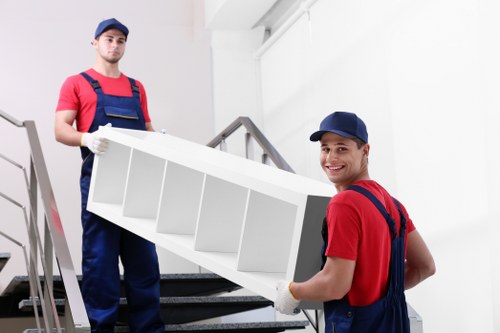
All staff are expected to use safe manual handling techniques. This means assessing weight and shape before lifting, keeping loads close to the body, avoiding twisting, and asking for help with awkward or bulky items. Team lifting is encouraged whenever an item cannot be moved safely by one person. No one should attempt a lift beyond their capability or training.
 Vehicle safety is also central to the work of a man with van service. Drivers must carry out routine checks before travel, including tyres, lights, mirrors, fuel levels, and load security. Items must be arranged securely to reduce movement during transit. Seat belts should be worn at all times, and vehicles must be driven lawfully, calmly, and with consideration for road conditions.
Safe Working Standards
We maintain high standards for cleanliness, housekeeping, and equipment condition. Work areas should be kept as tidy as possible to reduce trips, slips, and accidental damage. Tools, straps, blankets, trolleys, and other equipment must be inspected regularly and removed from use if damaged or unsafe. Proper maintenance helps protect both workers and customer property.
Personal protective equipment is used where needed, depending on the nature of the task. This may include gloves, high-visibility clothing, protective footwear, or other suitable items. Employees are responsible for using the equipment correctly and reporting if it is worn out, missing, or unsuitable. We encourage a sensible approach that matches protection to the task.
Communication is essential when working in busy or confined spaces. Team members should give clear instructions, confirm plans before moving items, and warn others when reversing, lifting, or turning with large objects. Good communication reduces confusion and helps prevent accidents, especially when several people are involved in a single move.
We also expect all personnel to remain fit for work. No one should carry out duties while affected by alcohol, drugs, fatigue, or illness that could impair safe judgement or physical ability. If a worker feels unwell or unfit, they must report it immediately so duties can be adjusted. Safe service depends on alertness, concentration, and responsible decision-making.
Accidents, near misses, and unsafe conditions must be reported as soon as possible. Reporting allows us to investigate what happened, correct the issue, and prevent it from happening again. Serious incidents are reviewed carefully, and lessons learned are used to improve future working methods. This supports the continuous improvement of our man and van safety policy.
 In the event of an emergency, staff must follow the situation calmly and with care for everyone involved. If there is fire, injury, vehicle damage, or a hazardous spill, the immediate priority is to protect people and seek assistance where required. Emergency procedures should be followed without delay, and work should only resume when it is safe to do so.
Responsibilities
The management of Man With Van Beddington is responsible for ensuring that this policy is implemented, reviewed, and supported with suitable training and resources. Managers must monitor working practices, correct unsafe behaviour, and make sure that health and safety information is available to all relevant personnel. They must also review equipment and procedures regularly.
Employees and contractors are expected to cooperate with these requirements, follow instructions, and take reasonable care of their own safety and the safety of others. They must not misuse equipment, ignore instructions, or create avoidable risks. A strong safety culture depends on everyday responsibility and mutual respect.
 This policy will be reviewed periodically to ensure it remains effective and appropriate to the nature of our work. Updates may be made following incidents, operational changes, or new legal and industry expectations. By maintaining clear standards and consistent practices, Man With Van Beddington aims to deliver services that are safe, reliable, and professionally managed.