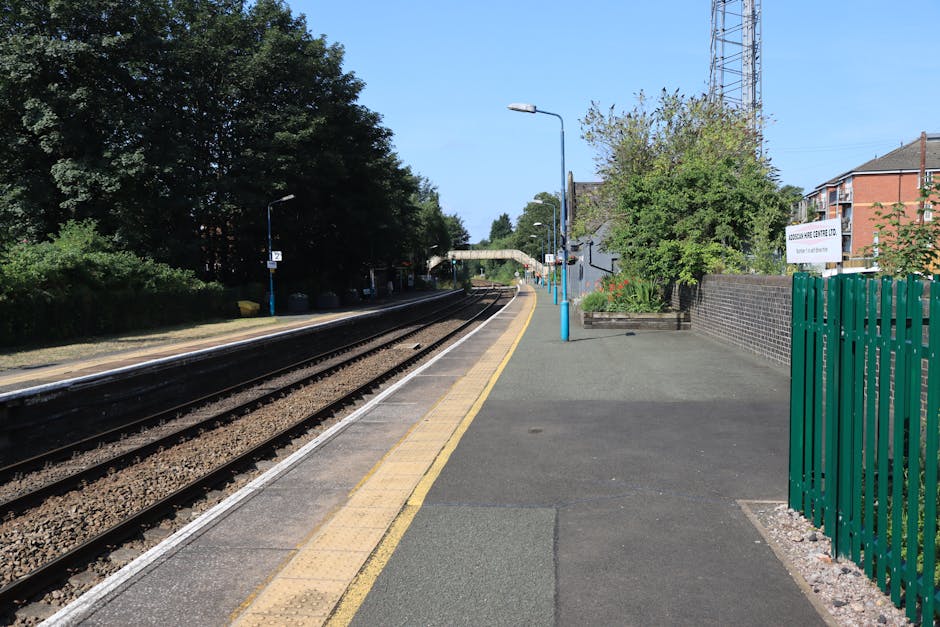
Hackbridge station moves: quickest routes for movers
If you are planning a move near Hackbridge station, the biggest headache is often not the packing box mountain or the last-minute cable tangle. It is the route. A van that arrives on time but gets caught on a tight turn, parked-in side street, or a busy station approach can undo a careful schedule in minutes. That is why Hackbridge station moves: quickest routes for movers matters so much. The right route can save time, reduce stress, and protect your furniture from unnecessary shuffling around in the rain at the kerb. Truth be told, it can be the difference between a calm moving day and one where everyone is asking, "Where did that extra half hour go?"
This guide breaks down how movers can plan the quickest, most practical routes around Hackbridge station, what makes local access tricky, how to avoid common delays, and which preparation steps make the journey smoother. If you are moving a flat, a family home, student items, or a few bulky pieces, there is a smart way to do it.
Why Hackbridge station moves: quickest routes for movers Matters
Hackbridge station sits in a part of Sutton where local roads, residential parking, and station-side traffic can create little friction points you do not notice until moving day. A route that looks short on a map may not be the quickest in real life. A van may need a wider turning circle than a car, or a road may be fine at 10 a.m. but awkward near the school run or commuter peak.
For movers, "quickest" does not simply mean shortest distance. It means the route that lets the van access the property easily, park legally, load efficiently, and leave without backtracking. That is especially important if you are dealing with stairs, multiple trips, or awkward furniture. One wasted lift or extra carry can add up fast. And let's face it, no one wants to drag a wardrobe further than necessary.
There is also a cost angle. The longer the job takes, the more labour time, fuel, and disruption you may face. If you are comparing services, route efficiency is part of the value, even if it is not always written on the quote sheet. In our experience, well-planned local moves feel almost quiet by comparison. There is a rhythm to them.
For extra background on keeping the whole move organised, you may also find these practical ideas for a hassle-free move useful, especially if you are managing a tight schedule.
How Hackbridge station moves: quickest routes for movers Works
Good moving route planning starts before the van leaves the depot. A mover normally checks three things: access, timing, and load size. Sounds simple, but each one changes the route choice.
Access means understanding whether the van can reach the property without awkward reversing or blocked turns. Near stations, some streets are easy in one direction but a nuisance in the other. A quick loop may actually be slower than a careful approach from the more open road.
Timing matters because Hackbridge traffic can shift through the day. Early morning might be calmer for loading, while school and commuter periods can slow movement around key junctions. Even a few minutes can matter if you have a parking window or a chain of collection and delivery stops.
Load size affects route choice because larger removal vans need more room, especially near narrow bends and parked cars. A smaller vehicle or a man and van setup can be the smartest choice for flat moves, student moves, or smaller household loads. For that reason, many people use a flexible man and van service in Beddington when the route is tight and the load is not enormous.
The actual process is usually this:
- The mover reviews the pickup and drop-off addresses.
- They check access notes, parking options, and any loading restrictions.
- They choose a route that avoids unnecessary congestion and awkward turns.
- They match the vehicle size to the route, not just to the furniture list.
- They build in a little buffer for station-area delays, because reality loves a surprise.
That last point matters more than people think. A route that works on paper can still be slowed by delivery vehicles, pedestrians, or a spot that was free five minutes ago and now is not. Moving near a station always benefits from a bit of flexibility.
Key Benefits and Practical Advantages
The biggest benefit of choosing the quickest sensible route is simple: less stress. But there are several smaller advantages that stack up nicely.
- Less carrying distance: If the van can stop closer to the entrance, you reduce the number of steps, turns, and awkward pauses.
- Lower damage risk: Furniture stays in the van less time and is handled fewer times.
- Better time control: Quick access helps keep the move on schedule, especially if the keys are handed over at a fixed time.
- Cleaner coordination: If you are arranging cleaners, storage, or a second stop, a smoother route helps everything else fall into place.
- Less fatigue: Movers stay sharper when they are not wasting energy on avoidable back-and-forth.
There is a practical human benefit too. People tend to make better decisions when the move feels under control. You notice it in the small things: the kettle comes out first, the boxes are labelled clearly, someone is not rummaging for phone chargers while standing in a hallway full of coats. That calm is worth something.
If you are packing in advance, this packing essentials guide gives a sensible starting point. It pairs well with route planning because organised boxes load faster, and faster loading usually means less exposure to traffic delays or parking issues.
Who This Is For and When It Makes Sense
This approach is useful for more people than you might think. It is not just for large house removals with three movers and a tail-lift. The quickest-route mindset helps whenever access is a bit awkward or timing is tight.
- Flat movers: Ideal if you are working with stairs, shared entrances, or limited parking.
- Students and renters: Helpful when moving smaller loads around term dates or short tenancy gaps. See also student removals for compact, time-sensitive moves.
- Families: Useful when there are more belongings, more people, and more pressure to keep the day moving.
- Office or studio moves: Works well for desks, files, screens, and equipment that should not be left in a van all afternoon.
- Last-minute movers: Especially relevant if you need same-day removals support and cannot afford route mistakes.
It makes sense any time the route is likely to be the bottleneck. If your building is near the station, if the street narrows, if parking is contested, or if you have items that are heavy or fragile, route planning becomes part of the job, not a side note.
And if your move involves bulky items, the right service choice matters. For awkward furniture, a dedicated furniture removals service can save a surprising amount of time.
Step-by-Step Guidance
Here is a practical way to plan a smoother move near Hackbridge station without overcomplicating it.
- Map both addresses properly. Do not stop at the postcode. Look at the street layout, access points, and whether the van can reasonably turn or park nearby.
- Check the van size against the street. Bigger is not always better. A slightly smaller vehicle may actually be the quickest option if the roads are tight.
- Identify the loading point. Pick the door, gate, or entrance you will actually use. That sounds obvious, but on moving day people often default to the front door when the side entrance is easier.
- Sort parking early. If there is any uncertainty, make a plan for where the van can stand while loading. Even a temporary waiting spot can help avoid circling the block.
- Pack by exit sequence. Put the items you want out first near the door and keep fragile or valuable items separate. This is where decluttering before moving can really pay off.
- Prepare the largest items first. Beds, sofas, wardrobes, and appliances should be ready to move before smaller boxes. For beds and mattresses, see these bed and mattress relocation tips.
- Keep walkways clear. A hall full of shoes, bin bags, and random indoor plants slows everything down. It also increases the chance of a knock or trip.
- Leave a buffer. Near a station, small delays happen. Build in extra time rather than pretending the traffic gods are on your side.
If you are moving without much help, learn how to protect yourself too. This guide to safely lifting heavy things alone is worth a read, though to be fair, some jobs really are better left to trained movers.
Expert Tips for Better Results
Small improvements make a real difference. Here are the things that experienced movers tend to think about instinctively.
Choose the route that reduces manoeuvring, not just mileage
A slightly longer road can be faster if it avoids tight corners, parked cars, or awkward reversing. A simple route on paper is not always the simplest route for a van.
Load in a sequence that matches the stop order
If the first items out are deep in the van, you lose time. Keep the most urgent pieces accessible. That little bit of planning saves a lot of shuffling.
Protect the fragile items before the van arrives
Glass, lamps, mirrors, and electronics should already be wrapped and boxed. If you need specialised protection for larger pieces, it is worth reading about how to preserve a sofa during storage and applying the same careful mindset to transit.
Use the right help for the awkward stuff
Pianos, American-style fridge freezers, and large wardrobes are not all equal. A piano especially needs proper handling and the right equipment; see specialist piano removals support if that is on your list. No heroic lifting, please. Furniture always wins that argument.
Think about the destination as much as the origin
Some moves go smoothly on the collection side but stall at delivery because of a tight driveway or a shared entrance. If you know the new place has tricky access, tell the mover early. That one message can shape the whole route.
When a move is particularly complex, a full-service option may be easier than trying to stitch everything together yourself. You can compare services on the services overview or look at removals in Beddington if you want a broader idea of what is available locally.
Common Mistakes to Avoid
A lot of moving-day stress comes from a handful of avoidable mistakes. Nothing dramatic. Just the kind of things that quietly eat time.
- Assuming the shortest route is the fastest. It often is not, especially around station traffic and narrow roads.
- Ignoring parking reality. A van cannot unload through a wall, annoyingly enough.
- Choosing a vehicle that is too large for the street. More capacity can mean more manoeuvring.
- Leaving packing until the last minute. That creates delay, extra handling, and more risk of damage.
- Not warning movers about stairs, lifts, or access codes. Those details matter. A lot.
- Forgetting about rubbish and final clean-up. A cluttered exit slows everyone down. If needed, use this final clean-up guide to leave the property properly.
- Trying to move everything yourself. Sometimes that feels cheaper at first, then the sofa gets stuck in the doorway and suddenly the maths changes.
One more thing: do not underestimate how tiring repeated lifting is. If you are doing the move on your own, a smarter sequence and good technique matter. There is a useful overview here on lifting techniques and body mechanics, which is more relevant than most people expect.
Tools, Resources and Recommendations
You do not need a truck full of specialist gear for every move, but a few tools make the job much smoother.
| Tool or resource | Why it helps | Best for |
|---|---|---|
| Heavy-duty boxes and tape | Keeps fragile and mixed items secure in transit | General house moves, student moves, storage prep |
| Furniture blankets and straps | Reduces scuffs and movement inside the van | Sofas, tables, wardrobes |
| Hand truck or dolly | Makes short carries much easier and safer | Boxes, appliances, heavy piles |
| Local route planning | Helps avoid unnecessary turning, waiting, or backtracking | Moves near Hackbridge station and other busy local areas |
| Packing labels | Speeds up unloading and room placement | Families, flats, office moves |
For packing materials, packing and boxes support is a sensible place to start if you want to keep things organised without a last-minute shop run. If you are storing anything between addresses, storage options can be useful too, especially if completion dates are not lining up neatly.
For safety and service standards, it also helps to know what your mover covers. Have a look at insurance and safety information before the day arrives. It is not the glamorous part of moving, but it is the part you are glad you checked later.
Law, Compliance, Standards, or Best Practice
Moving near a station is not just about convenience. There are a few practical compliance points and UK best-practice expectations worth keeping in mind.
Parking and loading: Always check whether the chosen stopping point is legal and safe. Local restrictions, yellow lines, permit zones, and station-adjacent controls can affect where a van may wait. If you are unsure, it is better to plan an unloading point in advance than to improvise on the street.
Health and safety: Reputable movers should use sensible manual-handling practices, avoid unsafe lifting, and handle heavy items with care. If you are doing part of the move yourself, follow the same basic principle: do not twist under load, do not rush a lift, and get help for items that are awkward or heavy. Your back will thank you, if backs could speak.
Insurance: Ask what protection applies to your belongings and the property. Coverage can vary, so it is worth reading the details rather than assuming every service works the same way.
Accessibility and courtesy: Shared buildings, narrow communal entrances, and station-area foot traffic call for patience. Good movers try to reduce disruption for neighbours and keep access clear. That is simply good practice.
It is also sensible to review the provider's public policies if you want reassurance about process and accountability. Pages such as health and safety policy, terms and conditions, and complaints procedure help set expectations clearly. Nothing fancy, just clarity.
Options, Methods, or Comparison Table
There is no single best method for every move. The right option depends on the size of the load, your timing, and how tight the access is near Hackbridge station.
| Method | Best for | Strengths | Trade-offs |
|---|---|---|---|
| Man and van | Small to medium moves, flats, student loads | Flexible, often quicker to position, good for narrow access | Less capacity than larger removal vehicles |
| Dedicated removal van | House moves, bulky furniture, several rooms of items | More capacity, better for larger loads | May need more space to manoeuvre |
| Full removals service | Families, busy households, higher-value items | More support, less stress, often better coordination | Usually more involved planning |
| Same-day removals | Urgent moves, last-minute access changes | Fast response, practical in time-sensitive situations | Availability may be tighter |
If you are unsure which option fits your move, a good starting point is to compare the scale of your property with the access around it. A flat near the station with a few large pieces may actually be easier with a smaller vehicle and a focused team than with a bigger van that cannot park neatly. Counterintuitive, but true.
Case Study or Real-World Example
Picture a typical Saturday move. A couple is leaving a one-bedroom flat near Hackbridge station and heading a few streets away. The flat has a bed frame, a sofa, a dining table, several boxes, and a freezer that has been sitting in a utility area for weeks. At first, they assume a larger van will speed things up. Reasonable assumption.
Once the access is checked, it becomes clear that the road is narrower than expected and parking is tighter near the station approach. Instead of forcing the largest vehicle into a difficult spot, the mover suggests a more manageable van and a clear loading sequence. Boxes come out first, then the bed, then the sofa, then the heavier appliance once the route from door to van is fully clear. The freezer is handled carefully, with its condition checked before movement. For guidance on this sort of item, the article on storing a freezer when it is out of service is genuinely useful.
The result is not dramatic. That is the point. No frantic extra circles around the block, no blocked entrance, no wasted lift. Just a steady, efficient move that feels almost boring in the best possible way. By early afternoon, the flat is empty and the new place is already beginning to feel like home, with boxes lined along the wall and that faint cardboard smell hanging in the air.
For a move like that, the route was not the whole solution, but it was the thing that made the rest work.
Practical Checklist
Use this checklist the day before and the morning of the move. Keep it simple. Simple tends to survive moving day better.
- Confirm both addresses and access details.
- Check whether the van size suits the route and parking.
- Identify the best loading and unloading points.
- Prepare boxes with clear labels.
- Separate fragile, valuable, and essential items.
- Disassemble large furniture where possible.
- Protect sofas, mattresses, and other soft furnishings.
- Keep corridors, stairs, and exits clear.
- Arrange permits or parking arrangements if needed.
- Review insurance, service terms, and contact details.
- Set aside cleaning materials for the final sweep.
- Have water, snacks, chargers, and keys easy to reach.
If you want to keep the day running smoothly, a few small habits help. Label the room on every box. Keep a "first night" bag separate. And do not bury the kettle. That one comes up more often than you might think.
Get a free quote today and see how much you can save.
Conclusion
The quickest route for movers near Hackbridge station is rarely the shortest line on a map. It is the route that reduces manoeuvring, avoids bottlenecks, fits the vehicle properly, and keeps the move calm from start to finish. That is the real win. Less backtracking. Less stress. Fewer surprises.
If you are planning a move in the area, think about route choice as part of the removal itself, not something to sort out on the curb. Combine good access planning with proper packing, safe lifting, and the right level of service, and the whole day becomes easier to manage. Not effortless, moving never is, but definitely more controlled.
And that calmer move? It stays with you. Long after the boxes are gone.
Frequently Asked Questions
What is the quickest route strategy for moving near Hackbridge station?
The quickest strategy is usually the one that avoids tight turns, parking delays, and congestion rather than simply cutting distance. Movers often choose a route based on access and unloading ease, not just map mileage.
Should I use a larger van to save time on a Hackbridge move?
Not always. A larger van can carry more, but if the roads or parking are tight, it may slow the job down. A smaller, better-placed vehicle can be faster in real life.
How early should I plan the route for a station-area move?
Ideally, a few days before moving day. That gives you time to check parking, narrow roads, access points, and any timing issues around the station or local traffic patterns.
Are station-area moves usually more expensive?
They can be if access is awkward, parking takes longer, or more labour is needed. But costs depend on the full job, so the best approach is to ask for a tailored quote rather than guessing.
What should I tell my mover about Hackbridge access?
Tell them about parking, one-way roads, narrow entrances, stairs, lifts, gate codes, and any items that are awkward to carry. The more accurate the access notes, the better the route planning.
Can a man and van service handle a move near Hackbridge station?
Yes, especially for flats, student moves, or smaller loads. It is often a very practical choice when the route is tight and flexibility matters. See man and van options for a suitable local approach.
What items need the most care during a quick move?
Glass, mirrors, TVs, pianos, beds, sofas, and appliances need careful handling. The goal is to move them efficiently without rushing the protection or lifting steps.
How do I avoid delays on moving day?
Pack early, label clearly, clear walkways, confirm parking, and keep your essentials separate. Most delays come from disorganisation, not the route itself.
Is it worth using storage if my move dates do not line up?
Yes, if your completion dates or keys do not match neatly, storage can reduce pressure and prevent rushed decisions. It is a sensible fallback when timing is uncertain.
What if I only have a few large items to move?
Then a targeted service for furniture or bulky items may be the best fit. It keeps the job efficient without paying for more vehicle space than you need.
Do I need to worry about safety and insurance for a local move?
Yes. Always check how the mover handles insurance, lifting practices, and property protection. It is a straightforward way to reduce risk and avoid unpleasant surprises later.
What is the best first step if I am moving near Hackbridge station next week?
Start by mapping access and telling your mover about parking and property layout. Then sort your boxes by priority and remove anything you do not need to take. A little structure now saves a lot of scramble later.