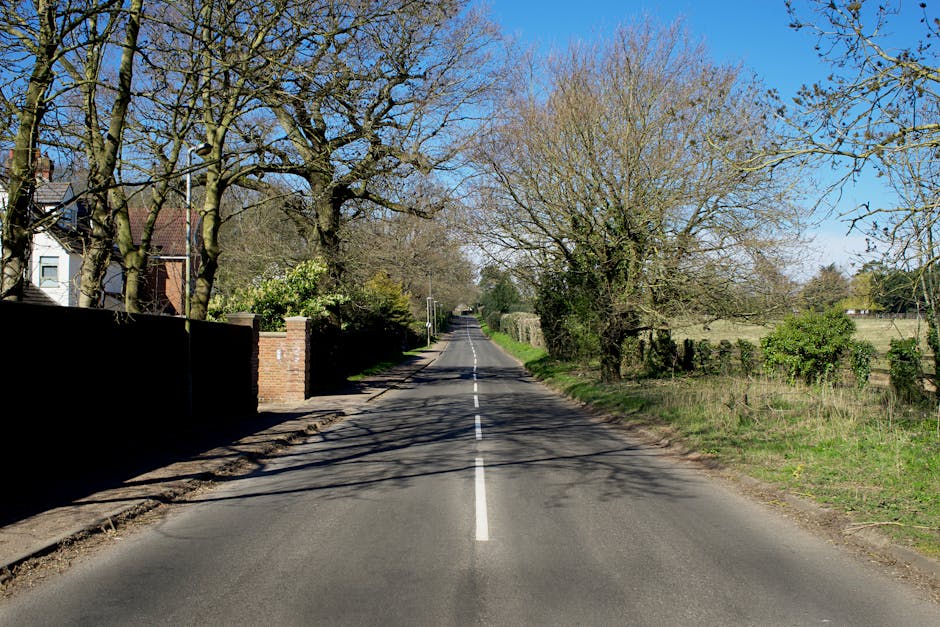
Road closures, loading bays and fines near Beddington Lane
Trying to move, deliver, or unload near Beddington Lane can feel straightforward right up until a temporary road closure, a busy loading bay, or a penalty notice turns the whole job sideways. If you are planning anything from a flat move to a commercial drop-off, understanding road closures, loading bays and fines near Beddington Lane is what keeps the day calm, legal, and a lot less expensive.
In practice, this is about more than just parking close to a door. It is about knowing where stopping is allowed, where restrictions change by time of day, how local access can shift unexpectedly, and what to do when the obvious spot is blocked. A bit of planning here saves time, stress, and those awkward moments when a driver is left circling the same street with the engine humming. Let's face it, nobody enjoys that.
This guide breaks the topic down in plain English. You will get the practical meaning of local restrictions, how loading bays usually work, why fines happen, what to check before arrival, and how to reduce risk if you are moving around Beddington Lane for a house move, office relocation, or one-off collection. If you need broader moving support while planning a tight-access job, you may also find our pages on man with van services, home moves, and commercial moves useful.
Table of Contents
- Why road closures, loading bays and fines near Beddington Lane matter
- How road closures, loading bays and fines near Beddington Lane works
- Key benefits and practical advantages
- Who this is for and when it makes sense
- Step-by-step guidance
- Expert tips for better results
- Common mistakes to avoid
- Tools, resources and recommendations
- Law, compliance, standards, or best practice
- Options, methods, or comparison table
- Case study or real-world example
- Practical checklist
- Conclusion
- Frequently asked questions
Why Road Closures, Loading Bays and Fines Near Beddington Lane Matters
Beddington Lane sits in a part of south London where traffic patterns, access routes, and delivery pressure can change fast. That matters because the difference between a smooth unload and a costly delay is often just a few minutes of poor timing or one misunderstood restriction. If a road is closed, a loading bay is already occupied, or a bay is only for short stays at certain hours, the knock-on effect can be significant.
For home moves, the risk is obvious: heavy items, fragile furniture, and a schedule that may already be tight. For business moves, the stakes are a bit sharper. Miss a loading window and you can disrupt staff, stock, or customer access. In real life, it is often not the big mistakes that cause trouble. It is the small ones, like assuming the bay outside the building is fair game, or leaving the van just a little too far into a restricted area because "it will only be two minutes". Two minutes has a funny way of becoming a ticket.
These issues also affect neighbours and nearby businesses. A blocked access point can trigger complaints, slow emergency access, or inconvenience residents trying to get in and out. So when people ask about fines near Beddington Lane, they are really asking how to keep the whole operation lawful, practical, and respectful of the area.
Expert summary: The safest approach near Beddington Lane is simple: check access before the move, assume loading space is limited, and build in extra time for closures, traffic, and parking changes. That one habit prevents a surprising amount of pain.
How Road Closures, Loading Bays and Fines Near Beddington Lane Works
At street level, the system usually works through a mix of traffic restrictions, marked loading areas, parking bays, time limits, and enforcement. Some bays are meant for active loading only, meaning the vehicle should be used for genuine picking up or dropping off rather than leaving it unattended for ages. Others may allow short waiting but not long-term parking. Then there are roads that change status during certain hours, especially where works, permits, or temporary closures come into play.
Road closures can be planned or sudden. Planned closures might relate to roadworks, utility works, events, or access control for larger projects. Unplanned closures can happen because of collisions, emergencies, or road conditions. Near a busy corridor like Beddington Lane, a driver can find one route open in the morning and awkwardly blocked by lunchtime. It is annoying, yes, but not unusual.
Loading bays tend to be the most misunderstood part. People often see a marked bay and assume it is a general convenience space. It is not. In many cases, the rules are more specific: the vehicle may need to be actively loading, there may be a maximum stay, and there may be times when the bay is reserved for permit holders, residents, or certain classes of user. If the bay is signed, the sign matters more than the paint.
Fines usually happen when a vehicle is seen to be in breach of the restriction displayed. That can include stopping in a suspended bay, overstaying the allowed loading period, parking in the wrong time window, or waiting where loading is not permitted at all. There is often very little room for argument once the restriction is properly posted. You may think you are being efficient. Enforcement sees a vehicle where it should not be.
For moving jobs, there is a useful distinction between a brief loading stop and a parked vehicle. If items are being moved continuously and the vehicle is positioned safely and legally, that is a different situation from leaving a van unattended while the crew disappears upstairs for half an hour. The details matter.
Key Benefits and Practical Advantages
Getting the access plan right around Beddington Lane is not just about avoiding trouble. It genuinely improves the whole move. A clean plan can reduce walking distance, protect items, improve team pace, and keep neighbours onside. It sounds simple because it is simple, really, once you stop guessing.
- Less wasted time: Drivers spend less time circling, waiting, or reversing into dead ends.
- Lower risk of fines: The correct stopping point and loading window reduce enforcement issues.
- Better handling of furniture: Shorter carry distances mean fewer bumps, scrapes, and tired arms.
- Safer working conditions: Clear access reduces rush, congestion, and awkward lifting positions.
- Smoother customer experience: Moves feel controlled rather than improvised.
- Better neighbour relations: Fewer blockages and less noise build goodwill, which helps more than people expect.
There is also a commercial advantage. If you are a business, being able to unload efficiently near Beddington Lane can protect delivery schedules, keep stock moving, and reduce downtime. A van waiting for parking is a van not working. Simple as that.
And if you are comparing moving support options, the right vehicle and crew make a difference too. A smaller moving van may be easier to place in a tight bay than a larger truck, while a more flexible moving truck might suit a bigger job if access is planned properly from the start.
Who This Is For and When It Makes Sense
This topic matters to a wider group than you might think. It is not just for removal companies or delivery drivers. Anyone bringing goods, furniture, or stock into the Beddington Lane area needs to think about closures, bay rules, and enforcement risk.
Here is who tends to benefit most:
- Home movers trying to unload beds, boxes, and white goods without clogging the street.
- Flat dwellers where access is narrow and a loading bay may be the only practical stop.
- Office managers coordinating equipment, archive boxes, or IT kit.
- Trades and contractors who need a legal, efficient stop for tools or materials.
- Retailers and small warehouses handling awkward deliveries or collections.
- Furniture collectors picking up bulky items that do not fit in a car.
It makes sense whenever timing is tight or access is uncertain. If you already know the destination has limited space, start with a loading plan, not a parking hope. Hope is not a method.
For more structured moves, especially where multiple rooms or workstations are involved, services like office removals and packing and unpacking services can reduce the pressure on arrival. That is especially helpful when there is little room to linger at the kerb.
Step-by-Step Guidance
If you want the simplest route to a low-stress move near Beddington Lane, work through the process in order. Skipping step one usually means paying for it later, one way or another.
- Check the destination access in advance. Look at whether the road is open, whether there are works nearby, and whether the property has any awkward frontage or shared access.
- Identify the safest loading point. A marked loading bay is ideal if it is legal and available. If not, find out where the nearest lawful stop is.
- Confirm the time restrictions. Some areas allow loading only during certain periods. Others have maximum stay rules or suspension conditions.
- Plan the vehicle size. A larger vehicle is not always better. On tighter streets, a compact man and van setup may be more practical.
- Prepare items before arrival. Boxes sealed, labels visible, furniture protected, keys ready. You do not want the driver waiting while someone hunts for tape in a kitchen drawer.
- Assign someone to watch the vehicle if needed. That person can keep an eye on loading time and nearby traffic movements.
- Keep the move active. In loading zones, continuous activity matters. If you stop for a coffee break, the clock may not be on your side.
- Leave a margin for delays. Roadworks, school traffic, or a previous booking overrunning can all push the schedule back.
A useful rule of thumb: if the job feels borderline, assume you need more time than you first thought. This is especially true for stair-heavy properties or bulky items like sofas, wardrobes, and appliances. Those last ten metres can take longer than the first ten streets.
Expert Tips for Better Results
After enough moves, a few patterns become obvious. The people who do best are not usually the ones with the biggest van or the most muscle. They are the ones who plan around the street, not just the address.
1. Treat signage as the final word
Pavement paint, old markings, and assumptions are less useful than the sign in front of you. If the sign says loading only, then that is what the bay is for. If the sign says suspended, then do not "just try it for a minute".
2. Arrive with the crew ready to work
When a legal stop is limited, every minute counts. Bring trolleys, blankets, straps, and keys to hand. I have seen perfectly good plans slip because someone was still untangling a cable tie at the kerb. A tiny delay, but it stacks up.
3. Use the shortest sensible carry route
Sometimes the closest space is not the smartest space. It can be better to stop a little further away in a legal, safer position than to gamble on a risky bay right outside the entrance.
4. Keep communication blunt and clear
"We're loaded, moving now." That is better than a vague "almost done". When a driver knows the real status, they can decide whether to reposition, wait, or move on.
5. Build a buffer into the appointment
Buffer time is not wasted time. It is what absorbs road closures, awkward keys, blocked access, and the occasional neighbour who has parked exactly where you hoped to unload. It happens.
If you need help matching vehicle type to the move, browsing man with a van or removal van options can be a smart starting point, especially for tight urban streets where flexibility matters more than size alone.
Common Mistakes to Avoid
Most fines and delays near local loading areas come from a fairly small list of avoidable mistakes. The good news is that once you know them, you can sidestep them pretty easily.
- Assuming the bay is always available. Loading bays can be occupied, suspended, or restricted by time.
- Leaving the vehicle unattended too long. If active loading is required, disappearing for long stretches can cause trouble.
- Not checking for temporary road closures. A route that worked yesterday may be blocked today.
- Using the wrong vehicle size. Oversized vehicles can create access problems and increase pressure on the stop.
- Underestimating carry time. Multiple trips from a distant parking spot add up quickly.
- Ignoring signs because the bay looks empty. Empty does not mean permitted.
- Rushing the unload. Rushed lifting often leads to damage. Then you pay twice, which is never fun.
One slightly embarrassing but common example: people book a move, arrive near the property, spot a half-decent space, and think "that'll do". But if the space is actually outside the permitted loading time, it does not do at all. That is exactly where fines creep in.
Tools, Resources and Recommendations
You do not need a huge toolkit to deal with access around Beddington Lane, but you do need a disciplined one. Keep it practical.
- Printed move notes: A simple sheet with the address, access instructions, contact numbers, and item priority order.
- Labels and tape: Faster unloading means less bay time.
- Furniture protection: Blankets, covers, and straps reduce damage during hurried loading.
- Phone battery pack: Sounds basic, but low battery at the worst moment is just classic.
- Measuring tape: Useful for checking whether a sofa or cabinet is likely to cause a snag at entrance points.
- Traffic-aware timing: Early or mid-morning often works better than peak rush, though local conditions can vary.
For the service side of the move, removals and removal services are useful if you want a more structured handover, while removals near me can help when you need a nearby team familiar with local access quirks. If you are planning a bigger job, the extra organisation can save a surprising amount of bother.
Law, Compliance, Standards, or Best Practice
Without getting too legalistic, the principle is straightforward: if a restriction is signed, obey it. That includes loading bays, suspended bays, yellow line restrictions, and any temporary controls linked to roadworks or access management. In the UK, parking and loading enforcement is normally based on the signs and lines in place at the location, so the exact wording and timing matter more than guesswork.
Best practice is to treat local access as part of the move plan, not a side issue. That means:
- confirming lawful stopping points before arrival;
- respecting time-limited loading activity;
- avoiding obstruction of entrances, crossings, and junctions;
- keeping the crew aware of the loading window;
- and adjusting the plan if the street changes on the day.
If your move involves commercial premises, you should be even more careful. Shops, offices, and shared buildings often have delivery expectations, building rules, and nearby users who will not appreciate a blocked kerb. In those cases, a more formal plan is often worth it. If the job is substantial, a specialist team such as office relocation services can help coordinate access, timing, and equipment so the move does not stall at the roadside.
Insurance and safety also matter. If items are being handled quickly on a public road, good lifting practice, vehicle positioning, and careful supervision are not optional extras. They are the difference between a controlled move and a messy one. For more on that side of the process, see the site's insurance and safety information and health and safety policy.
Options, Methods, or Comparison Table
There is more than one way to handle unloading near Beddington Lane. The right choice depends on the property, the time available, and how much risk you are willing to tolerate. Here is a practical comparison.
| Approach | Best for | Strengths | Limitations |
|---|---|---|---|
| Street-side loading bay | Short, active unloads | Closest legal stop, usually efficient | May be time-limited or already occupied |
| Brief legal stop away from the entrance | Areas with no available bay | More flexible if carefully planned | Longer carry distance, more labour |
| Smaller vehicle access | Tight urban streets and mixed-use roads | Easier positioning, often less disruptive | May require multiple trips |
| Structured removal team | Full home or office moves | Better coordination, quicker unloading | Usually needs more planning upfront |
For many local jobs, a smaller vehicle and a well-timed arrival beat a larger vehicle with poor access. It sounds obvious, but people still get caught by the "bigger must be better" trap. Not always. Not on streets like this.
Case Study or Real-World Example
Here is a realistic example from the kind of job that happens all the time. A small family is moving from a first-floor flat near Beddington Lane into a house not far away. They have a sofa, a fridge freezer, eight boxes of kitchen items, and a few awkward plants that someone, quite foolishly, insists must travel upright.
On the first look, the area near the flat seems easy enough. There is a marked bay nearby, but it is already partially occupied and time-restricted. The family originally planned to "just stop there anyway" while they carried things down. After a quick check, they realised the bay was not suitable for the whole load period. So they changed the plan: park in the nearest lawful position, keep the crew moving, and break the load into two organised runs rather than improvise at the kerb.
Was it as convenient as stopping right outside the door? No. But it worked. No delay, no fine, no awkward conversation with the neighbours, and no frantic reshuffling halfway through. In truth, the extra few minutes spent planning saved an hour of stress.
That kind of adjustment is common. A good move near Beddington Lane is rarely the one that looks perfect on paper. It is the one that stays calm when the real street gets involved.
Practical Checklist
Use this before arriving on site. It is simple, but it covers the things that tend to go wrong.
- Confirm the full address and exact access point.
- Check whether any road closures or diversions affect the route.
- Identify a legal loading bay or stopping point.
- Read the signs for time limits and loading conditions.
- Make sure the vehicle size suits the street and the load.
- Pack items so unloading is quick and organised.
- Keep keys, lift access, and contact numbers ready.
- Protect furniture and fragile items before arrival.
- Assign someone to supervise unloading if the bay is tight.
- Allow buffer time for traffic, roadworks, or a full bay.
- Avoid leaving the vehicle unattended where active loading is required.
- Have a backup plan if the first stop is not usable.
If you are working through a bigger relocation, it can also help to line up the right support in advance. Some customers prefer a more hands-on option like man with van removal, while others go for house removals or house movers when the job needs more coordination. A quick conversation early on often prevents last-minute panic. Honestly, that is half the battle.
Conclusion
Road closures, loading bays and fines near Beddington Lane are not just a parking issue. They shape how safely and efficiently a move, delivery, or collection can happen. The practical takeaway is clear: plan the route, respect the signs, choose the right vehicle, and never assume a space is usable just because it looks empty. That small bit of discipline protects your time, your budget, and your sanity.
When the access plan is right, everything else feels lighter. The loading is quicker, the team stays calmer, and the day gets a little easier. Which, after all, is what most people really want from a move.
Get a free quote today and see how much you can save.
If you want to keep things organised from the first box to the last chair, a careful local plan is worth its weight in tea and patience.
Frequently Asked Questions
Can I stop in a loading bay near Beddington Lane while I unload?
Only if the bay's rules allow it and you are actively loading or unloading within the permitted time. The signage and local restrictions are what matter, not how busy the street looks.
What causes most fines near loading bays?
The most common causes are overstaying the allowed time, stopping in a suspended bay, using the bay outside permitted hours, or leaving the vehicle when the restriction requires active loading.
How do I know if there is a road closure near Beddington Lane?
Check your route before travelling and build in a backup approach. Temporary closures can appear because of roadworks, incidents, or access control, so it helps to have an alternative plan.
Is a smaller vehicle better for Beddington Lane?
Often, yes. A smaller vehicle can be easier to position in tighter streets and may make loading faster. That said, it depends on the amount of furniture and the access at the property.
Do I need a man and van for a small move in this area?
For lighter or shorter moves, a man and van setup can be a very sensible option. It usually gives you flexibility without the pressure of booking more vehicle than you need.
What should I do if the loading bay is already taken?
Use your backup plan. Move to the nearest lawful alternative, keep the loading process moving, and avoid stopping where the signs do not allow it. Guessing rarely ends well.
Can I leave the van for a few minutes while carrying items upstairs?
That depends on the bay conditions and whether active loading is required. In some places, leaving the vehicle unattended can be a problem even if you are only away briefly, so stay within the rules.
Are office moves near Beddington Lane harder than home moves?
They can be, mainly because there are often more items, tighter timings, and more people involved. Office relocation benefits from more planning and, in many cases, a dedicated team such as office relocation services.
What is the safest way to avoid fines during a move?
Plan the stop in advance, read the signs carefully, keep the unload continuous, and allow buffer time. If the legal loading option is not clear, do not improvise on the day.
Should I choose removals or a man with a van for this kind of job?
If the job is small and access is tight, a van-based service may be enough. If it is a full household or office move, a more structured removal option is usually the better fit. The scale of the move should decide it, not habit.
What if the road closure changes after I have already arrived?
Stay calm and reposition if needed. Temporary closures and local changes can happen quickly, so a flexible plan matters. Keep communication open with the driver or crew and choose the nearest legal option.
Where can I get help with a move near Beddington Lane?
If you need practical moving support, it is worth looking at the site's range of removals, removal company, and pricing and quotes pages to match the service to the size of the job.